

Letter from the Editor #34
Seeing Ivy Meeropol's excellent 'Ask E. Jean' documentary...Soap operas as "pop cultural heirlooms" passed down in families, cross-generationally...Free wills and other legal services for seniors...

Readers,
Last weekend Brian and conducted our first interview for The Oldster Radio Hour, a new podcast to be sponsored by Ruth Ann Harnisch, which we’ll launch in the fall.
I don’t want to say more about the interview yet, other than that it was utterly thrilling to get started working together on this. Collaborating in this way, both of us bringing our unique talents to a project we’re passionate about, has been a longstanding dream of ours. It’s very exciting.
We have big hopes for this podcast, and are still interested in finding the right platform for it. If you’re someone who can help with that, drop me a line …
Check out the rest of this series here. P.S. Click here to get more out of this post by reading it online instead of in your email…
"I'm so interested in nuanced narratives about older people. I want the literature! Not the self-help bullet points and ‘tips.’ Thanks for keeping the conversation going!" - Donna Lee Miele, paid subscriber.
Seeing the ‘Ask E. Jean’ documentary...
Speaking of storytelling projects supported by Ruth Ann Harnisch, last night we went to see Ivy Meeropol’s Ask E. Jean documentary at Upstate Films in Rhinebeck, followed by a discussion between Meeropol and documentarian Rachel Grady.
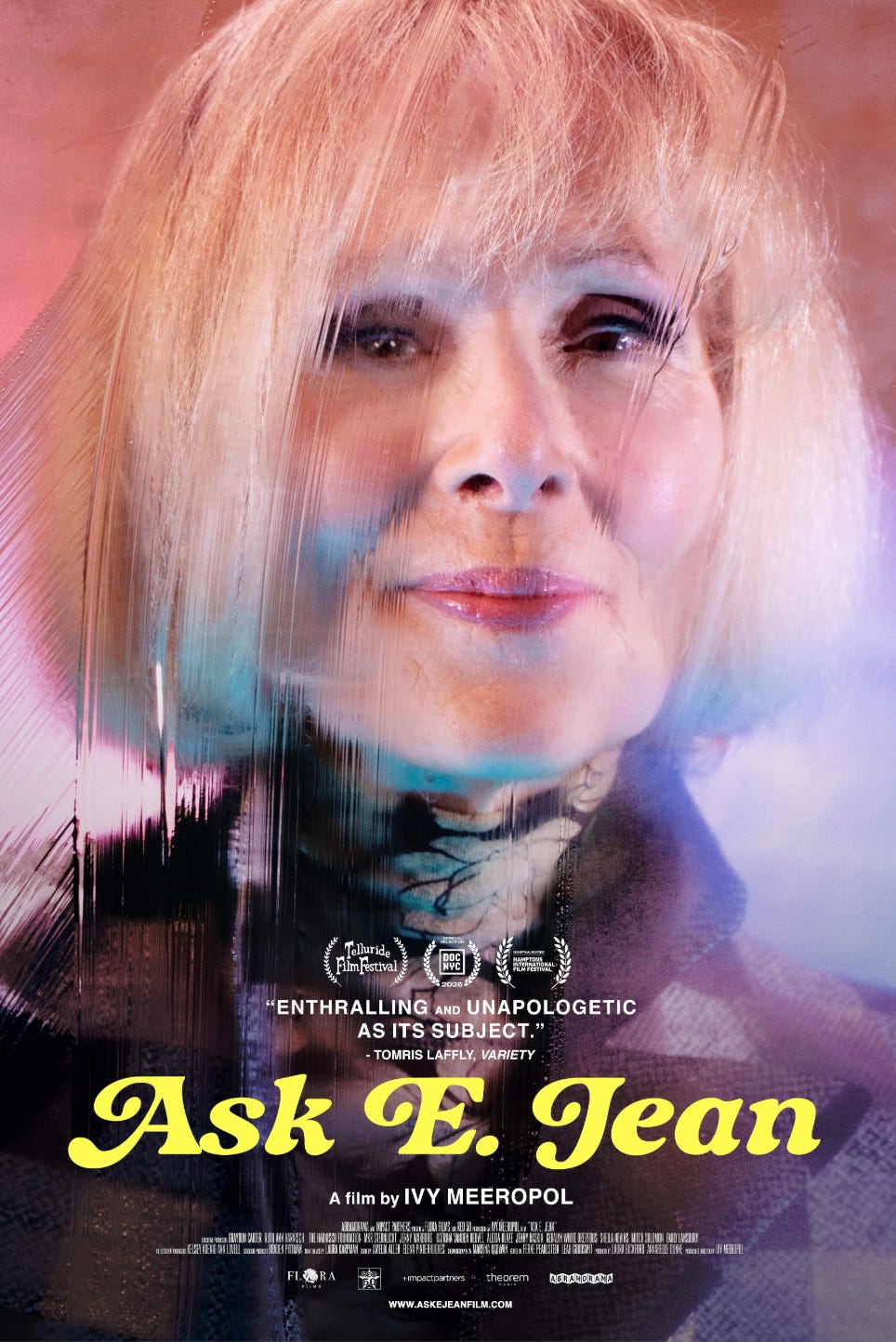
I can’t say enough good things about this film. It is by turns devastating and enraging, and uplifting and inspiring. You can’t help but come away from it with deep respect and admiration for E. Jean Carroll, now 82, and feisty as ever in her commitment to holding accountable the man convicted of sexually assaulting her thirty years ago, and then defaming her in the wake of her triumph in court.
That’s if you get to see it. Despite awards, rave reviews, and standing ovations at film festivals—because of who that man is, and his reign of terror—major film distributors and streaming platforms seem to be afraid to touch it. It has landed with Abramorama, which is bringing the film to 50 theaters across the country. But that’s a small roll-out, and this movie needs and deserves a much bigger audience.
If you’d like to see the movie, or help others to see it, you can request a screening near you. You can also get in touch with the team to learn other ways to get involved, and donate funds. Learn more at the film’s website.
PS Check out patricia mccormick’s Oldster essay, “Go Get Your’s, E. Jean”:

Soap operas as “pop cultural heirlooms” passed down in families, cross-generationally…
This week I got to talk with Charlotte Druckman and Mayukh Sen, two authors whose work I’ve long admired, about Love in the Afternoon and Evening: Essays and Conversations on Soap Operas, a fun new book the co-authored.
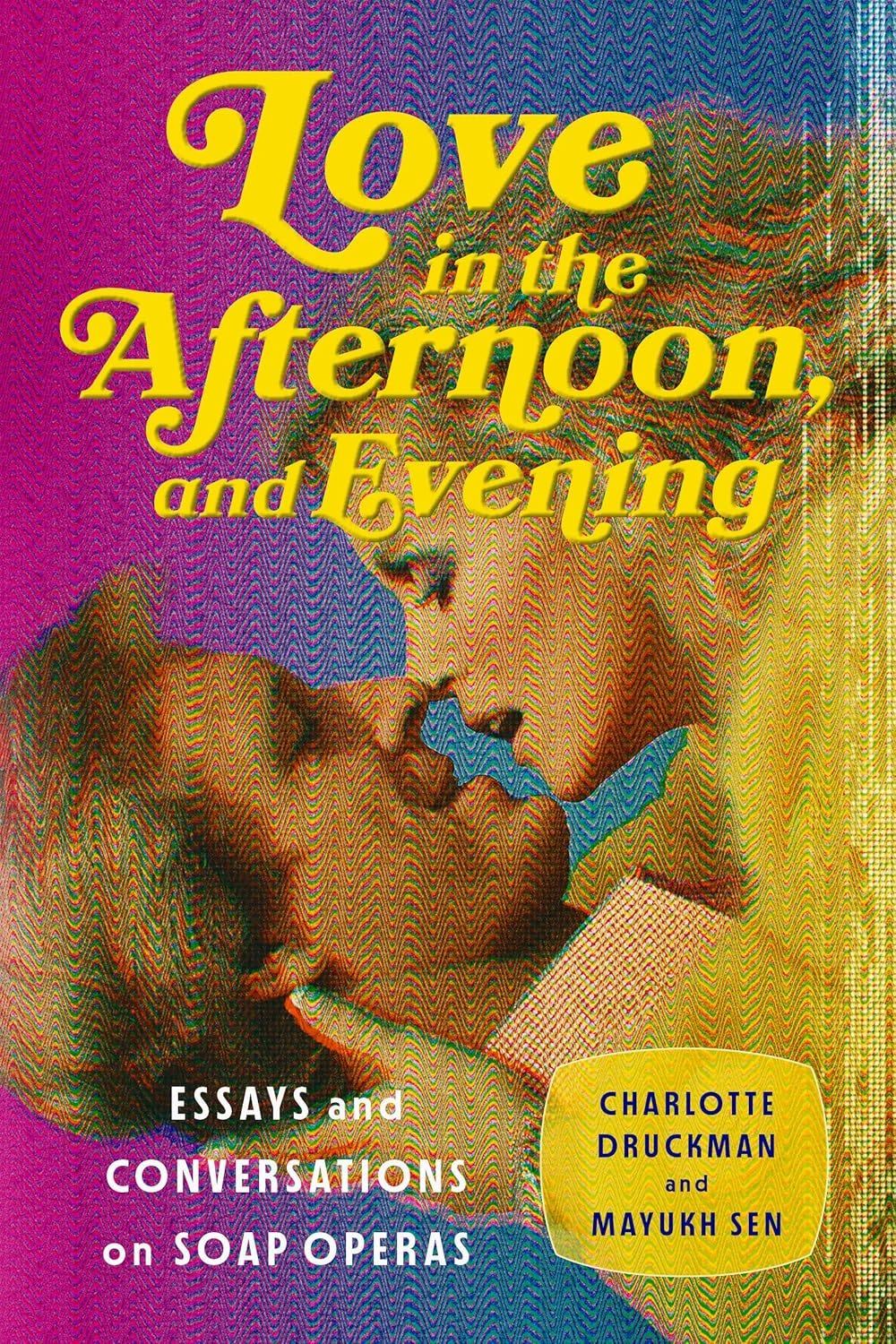
I enjoyed the book, which blends memoir with cultural analysis, and includes an interview with veteran soap star Susan Lucci. It naturally made me think about my own relationship to soaps, which turned out to be more significant than I might have previously thought.
As I read, I reflected on how I started watching them starting as a kid; my penchant as an adult for getting deeply involved with emotionally gripping nighttime dramas that aren’t technically soap operas but share many qualities with them, like Nashville, Queen Sugar, This is Us, and A Place to Call Home; my affinity for shows that spoof them, like Mary Hartman, Mary Hartman (I dressed up as Mary for Halloween when I was 12, in 1977), Soap, and Jane the Virgin; and why there’s a stigma associated with loving the genre when there really shouldn’t be.
I mean, even if some of the plot twists seem over-the-top, and are repeated to the point of annoying cliché—amnesia! returns from the dead! evil twins!—there’s something deeply relatable and cathartic about the emotional push-pull of those shows, and there’s no shame in becoming absorbed in them.
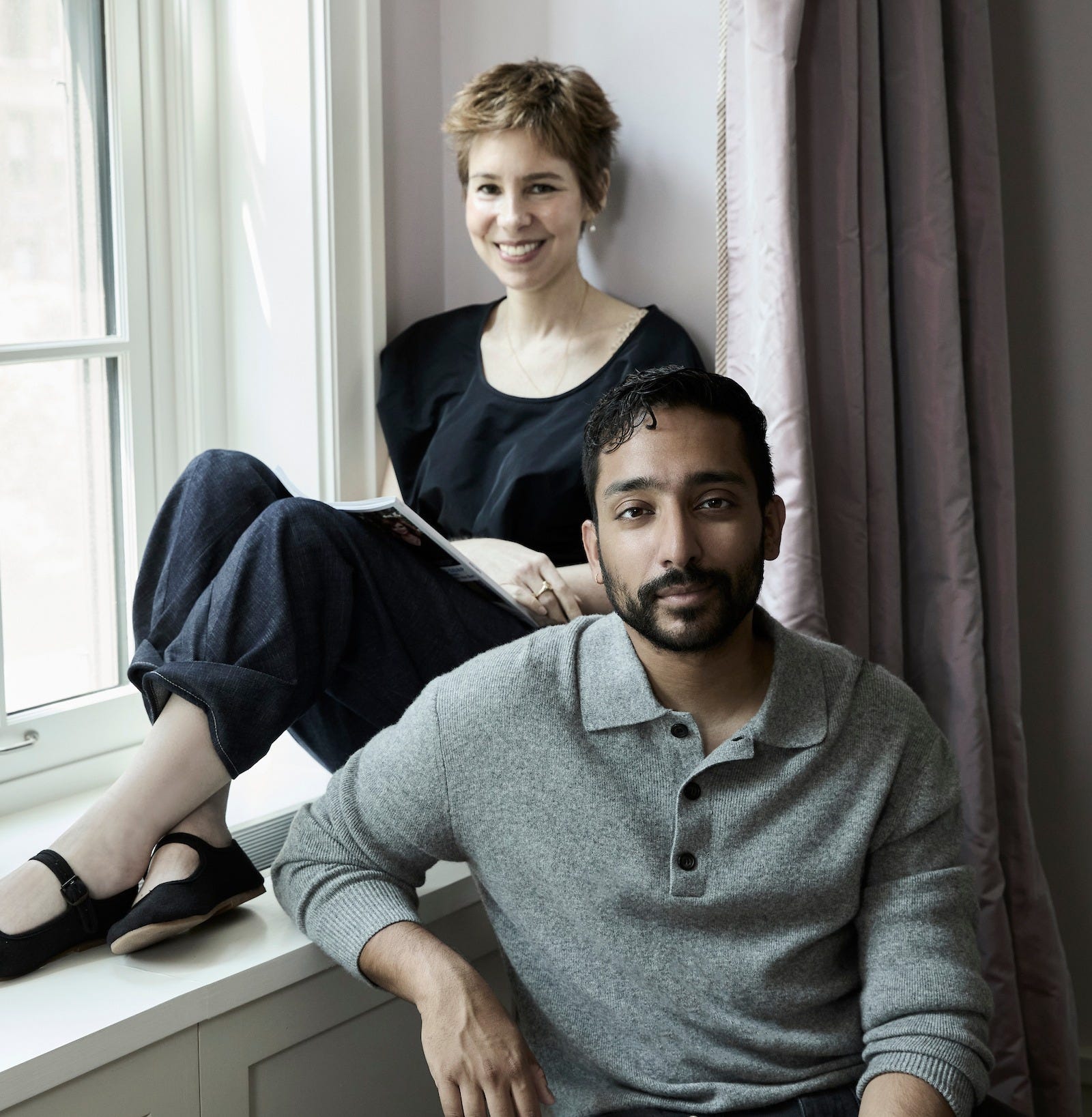
In our conversation, Druckman refers to soaps as “pop cultural heirlooms,” because so often the tradition of watching is passed down from one generation to the next.
Like Druckman, who was turned onto afternoon dramas by her childhood caretaker, and Sen, who was introduced to them by his immigrant grandfather, I got hooked on Guiding Light as a tween when a much older woman known to me only as “Mrs. Collins” babysat while I was home sick from school. In the afternoons she insisted on tuning into “my program,” and so it began.
Druckman refers to soaps as “pop cultural heirlooms,” because so often the tradition of watching is passed down from one generation to the next. Druckman was turned onto afternoon dramas by her childhood caretaker, and Sen was introduced to them by his grandfather.
I started watching with her when I was 11, and kept going with that show on my own until I went away to college at 17. (In 1980, when I was 15, it was the first place I encountered Kevin Bacon onscreen, and I was instantly smitten.)
I entered my freshman dorm in the fall of 1983 at the height of General Hospital’s Luke and Laura saga (the first place I encountered Demi Moore onscreen), and discovered that gathering around the TV with others in the lounge at 3pm each afternoon was an easy way for an awkward kid like me to make friends. (That and joining my suite mates for Jane Fonda’s Workout.)
Anyway, Druckman, Sen, and I had a fun conversation about the book, and all things soap operas, which you can watch here. ⬇️
What’s your relationship to soap operas? How old are you? Were you introduced to them by an older family member, or caretaker? Do you watch daytime or nightime soaps now? Did you ever? What are/were your favorites? Was there ever any shame associated with this? If so, why do you suspect? (Answer as many or as few of these questions as you’d like.)
Free wills and other legal services for seniors...
If you’ve read my book or followed my work for some time, you probably know I’ve long been both obsessed with planning for death, while also actively avoiding taking any constructive steps toward it.
It’s reached the point where certain friends will occasionally trepidatiously ask, “So…have you done anything about making a will yet?” When I make excuses, they roll their eyes and say, “Just do it already, okay?”
That tired scenario played out again last weekend. This time the friend who brought it up told me about something that I think is going to get me over the hurdle (maybe some of you have also mentioned it in comments): free wills offered by our local Office For the Aging (OFA). Well, not entirely free—they ask for a donation of any amount. But it sounds simple and painless enough that it might move me past my ridiculous state of avoidance. I mean, I even called and left a message. Baby steps.
Wills and other free legal services aren’t solely offered by the OFA in Ulster County, where I live. They are apparently available nationwide. You can find your local OFA through The U.S. Department of Health and Human Services website.
Meanwhile, here are some earlier Oldster essays about various aspects of end-of-life planning:


That’s all for today. Thanks as always for reading, and for all your support. 🙏💝
-Sari
I first started watching soap operas, specifically General Hospital, with my mom when I was a toddler, before she went back to work full-time. Home sick alone from school? Soap operas will keep you company. Laying around with nothing to do during the summer? Soap operas and a box fan will help you survive. I'm pretty convinced one of the reasons I went on, once I started reading books, to loving epic fantasy series is because soap operas had clued me into the reality that I never want the story to end. The characters become so real for me, even if the stories are absurd, that I don't want to let them go.
When I went to Cuba, you could set your watch by the time when all of Havana would be inside watching telenovelas. That was the first time in my life I realized soaps didn't have to be gender-coded. Everybody watched them. When my ex and I moved back East to a town where we knew no one, soaps helped me feel like I had friends. I didn't, but I had the never ending story, and it got me over the hump. My ex had never been to Cuba, saw soaps as feminine nonsense, and was contemptuous of my attachment. But here we are, 25 years later, and I still believe in the power of soaps to bring people together, while he (and his contempt) has been rightfully exiled.
Ryan’s Hope & All My Children, all summer long, 1978.