

When The Future Is Now
Janet Clare reconnects with a favorite cousin before it’s too late.


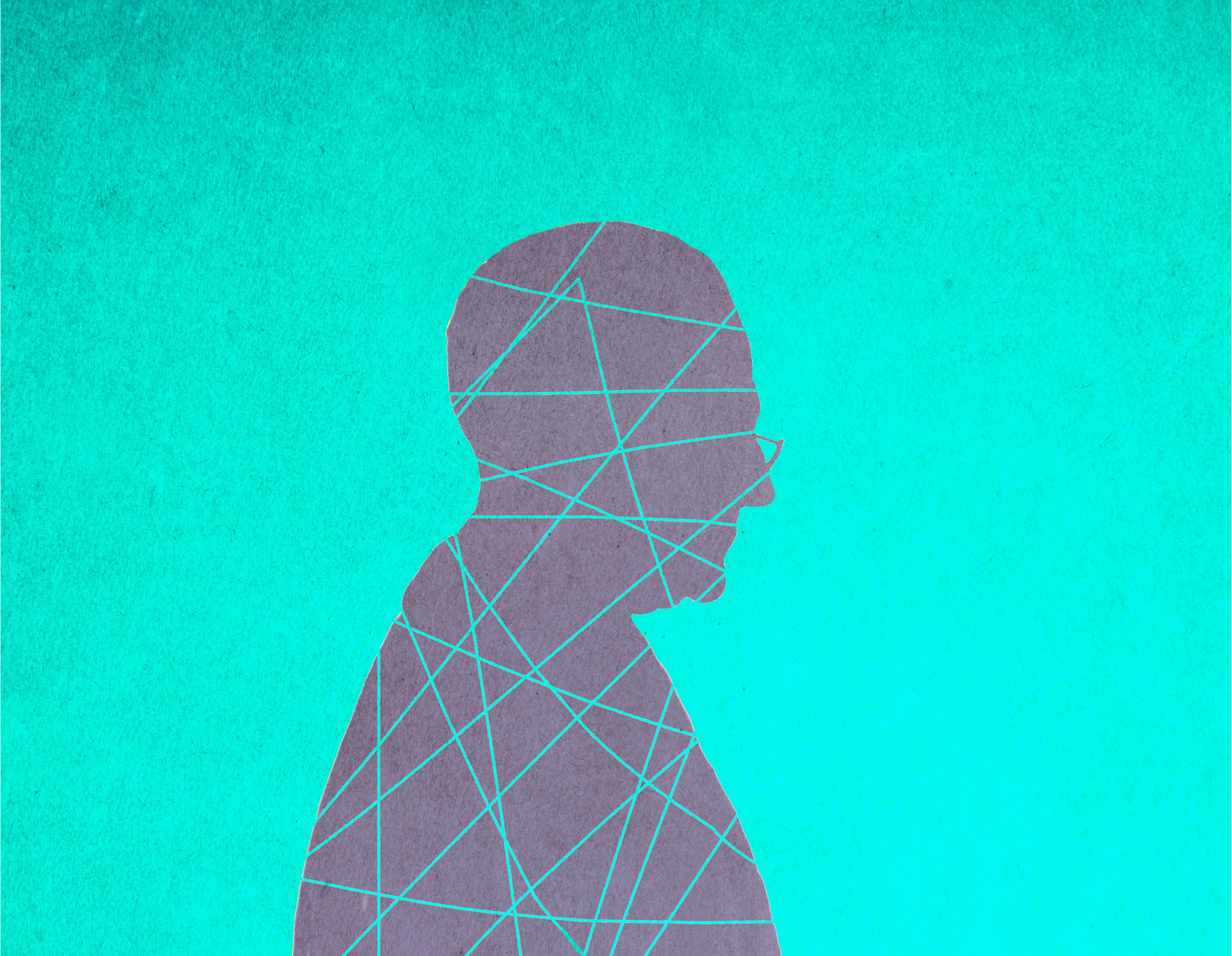
I didn’t grow up with my cousin. He, along with his two older siblings, were raised on the east coast, while I, though born in New York, grew up in Los Angeles, where I still live. I sometimes referred to them as my overachieving east coast cousins. A bit sarcastic to be sure, though accurate because all three had reached a high level of accomplishment in their different fields. I was probably being bratty, or more likely jealous, as the odd one out on the west coast.
An adorable kid 7 years my junior, now a handsome man, we had seldom seen each other, yet we had a certain affinity, which was evident in our far-too-few meetings and in our recent phone calls. He had married, had two daughters now grown and living in New York. Both he and his wife were psychoanalysts who worked from their home in Berkeley. He often said I was responsible for his winding up in California, though I’m not quite sure why.
I have a clear memory of being 13 and traveling on my own to visit my grandparents in New York City, then on to Long Island and my aunt and uncle’s house. My uncle was a psychoanalyst, and I slept in his basement office under a picture of Freud—which might have some relevance here, or not.
I had never been to my cousin’s Berkeley home, nor did I attend his daughter’s wedding. And the same was true for him. He didn’t attend my family events, either. There wasn’t any reason for this gap in our lives, it just happened. No fault, no blame.
A few months ago, his older brother told me that at 72, strong and vital and still working, my cousin had been diagnosed with a particularly virulent form of dementia. I have since learned that there are approximately ten million cases of dementia diagnosed world-wide each year. A staggering number, and currently there are close to sixty million people, along with their friends and family, living with this nightmare disease.
Although we rarely talked on the phone, I called my cousin right away. In recent years, our few communications had been through email or text, those impersonal methods we all resort to. Again, no one’s fault, just the way it was. But I knew I had to hear his voice. He sounded wonderful, laughing and chatting. Would ebullient be too strong a word? Maybe not, or maybe it wasn’t so much his voice, but my ears wanting to hear some sign of hope.
He told me he had no intention of going down the inevitable path before him, or words to that effect, and instead he planned to go to Switzerland, where he would die through compassionate assisted suicide. Strangely, I wasn’t really surprised or aghast. I understood as much as anyone on the outside could understand, and I thought, Yes, I would do the same faced with similar circumstances. How easy it was to be so cavalier from my distant position, even as the gravity of such a decision began to take hold.
A few months ago, his older brother told me that at 72, strong and vital and still working, my cousin had been diagnosed with a particularly virulent form of dementia. I have since learned that there are approximately ten million cases of dementia diagnosed world-wide each year. A staggering number, and currently there are close to sixty million people, along with their friends and family, living with this nightmare disease.
It was amazing to me that we could have this conversation, but we did. He also said on this first call that since he could no longer work, he would have more time and he would visit me. I was pleased, and for all the horror of the situation, when we rang off, I realized he’d given me some strange level of comfort. Bizarre, but there it was.
Two weeks later, I called again. I left a message, and he returned my call. He had a date, he said. I wasn’t sure what he meant. A “D date,” he said. My mind blurred, dulled, perhaps I hadn’t heard him correctly. What? Late October. Switzerland. And now his voice sounded different, still strong with conviction, but nevertheless, a certain distance hard to describe. When I thought about it later, I realized that for all our new-found closeness, a kind of silent wall had gone up between us. Not unlike what I’d experienced when going through chemo treatment years ago. No one else could quite understand me then, or him now.
We talked a bit more and then he put his wife on the line. It was so obvious they were in this together. And, yes, she said, it was surreal when I asked how she was doing. (How would I expect she would be doing? What a question.) She said that she felt they were fortunate to be able to take this step.
I said I would like to visit, and somewhat dazed, I hung up.
She sent me the best dates for me to go to Berkeley.
I made plans to see him the following week. Not when the rest of the family was expected, but on my own, for just a few hours, and, although I was assured I was welcome to stay, I declined. She added that he was much better one-on-one, which I was happy to hear.
In the meantime, I wandered in this other-world of melancholia I found difficult to grasp. We’ve all experienced hearing of a sudden death or of someone so ill the outcome was inevitable. I’d experienced the horror of others’ suicides, the too-young death of friends, and three years ago my husband’s illness and eventual passing. But this was unlike anything else, something I’d never imagined, mixed with the added regret that we hadn’t spent more time together. That we’d gone about our lives without making more of an effort. But regret is useless unless there is something to do about it, a way to change it for the future. But what if that future didn’t exist?
There are approximately thirty-thousand assisted suicides every year throughout the world. However, the numbers are not totally reliable, in part because there are so few countries where it’s legalized. And within the United States, only ten states and the District of Columbia have some form of end-of-life process one can choose. The rules and regulations made it impossible for my cousin to carry out his wishes in California.
It was the day before I planned to see him when, surprisingly, he called me, once again sounding wonderfully strong. He couldn’t wait to see me, telling me he’d had a crush on me since he was 8 years old. He’d said this in the past and it never failed to make me smile. We talked about what time I would arrive, when I would leave. It was a short conversation, and when we hung up, I was left alone wanting to scream to the sky, to passersby, to the world: Do you see what is happening? Don’t waste a minute.
He told me he had no intention of going down the inevitable path before him, or words to that effect, and instead he planned to go to Switzerland, where he would die through compassionate assisted suicide. Strangely, I wasn’t really surprised or aghast. I understood as much as anyone on the outside could understand, and I thought, Yes, I would do the same faced with similar circumstances.
I went to Berkeley and returned home by early evening. It took me twenty-four hours to absorb it all, although I thought it might well take the rest of my life.
I had arrived earlier than expected, but he was at the door, a huge smile on his sweet face. Still in good shape and looking well, we hugged warmly, and I knew immediately that my decision to see him alone was right. His wife was home, but working, and I didn’t see her until a few hours later, shortly before I was scheduled to leave.
He ushered me in and we quickly set upon a guided tour of the art in their expansive home, where they’d lived since 1979, a classic 1902 wonder lovingly restored and remodeled throughout the years. I never knew of my cousin’s great interest in art, and as we wandered the rooms, all of which were stylishly simple, he told me the story of every piece of art, some made by friends, others by artists who became friends, all varied and beautiful. The information came readily as he explained the way the artist had worked, expressing his admiration, along with his delight and luck at each discovery. There wasn’t one item I wouldn’t have been thrilled to have in my own home. How interesting that our sensibilities were so aligned.
He also showed me frames he had made, and how he’d found different and unique ways to display certain pieces. The whole of it felt organic to the house and utterly beautiful.
His enthusiasm was obvious and didn’t waver, and when the tour was over, we sat close in the living room, then stood in the kitchen, arms around each other, our foreheads touching, and we talked. I didn’t ask questions so much as he offered answers. How he, together with his wife, had made such a momentous decision, how he’d sat with each of his patients and explained why he could no longer see them, and how they’d expressed their overwhelming love and support. He also spoke of his older sister, who’d finally placed her husband in a care facility after he’d suffered from Alzheimer’s for many years. What his sister did was not for the benefit of her husband—that she wasn’t helping him by keeping him alive, my cousin said. And I agreed.
My cousin and his wife had also enlisted a small group of good friends who they named the “trust committee,” to help guide them, because they knew not to be alone in this, but to rely on smart people who had their best interests at heart. This was just about one of the most brilliant things I’d ever heard of and another reminder of the importance of friends and community. Before I left, the two of us sat on large rocks outside in the small front garden he’d created. It was a clear, crisp beautiful day in this unique city where I’d gone to school so long ago.
Since my trip to Berkeley, I have talked to him several times. Our conversations are like a sweet breeze, his voice soft and gentle. As someone who spent his life listening to people, deciphering their mysteries, he is a man who measures his words; there is a calmness about him and I listen intently. Because he truly has something to say and I don’t want to miss any of it. Each time, after I hang up, I sit with the sound of his voice, sit with him as a meditative feeling comes over me.
When I call and don’t hear back for a couple of days, I try not to be anxious. I knew they would be traveling to New York, although I wasn’t sure when. And then he called me. And yes, they were in Brooklyn visiting one of his daughters, and friends were coming down from Connecticut to visit; there was a show to see, and a trip to Beacon, because he was interested in the art. Who knew it was a place we both wanted to go? We talk about Dia at Beacon and he tells me he is reading my second novel and, “liking the hell out of it.” My head swims. That he is reading any book, but my book? If he were my only reader, it would be enough.
I’m on my early morning solo walk, and he calls. Not a return call, but out of the blue, a call he has initiated. He tells me about a friend who came to see him and brought his guitar and about the song his friend sang, which was about moss, and he speaks of the famous moss garden in Japan with the significance of endurance and the passage of time. I don’t ask if he’s been, and only hope he has. This time I tell him more than I have before. Beyond how I admire him, I tell him what he has given me and what I have learned in this short time. That there hasn’t been a day I don’t think of him and that will never stop. I know I will add him to the daylight dreams of my late husband.
In the background, I hear his wife’s voice, and he tells me she sends her love and I do the same. I tell him that I’ve not contacted her now, (I know she is amazingly capable and has many people around her, including, of course, her daughters), but that I will always be available to her. There will be a time. A smart and sensitive woman, the circumstances under which our connection might deepen couldn’t be more poignant. And when I tell him I hope to reach out to his daughters as well, he responds by saying that it makes him happy to know.
Invariably, I had questions that I didn’t ask. Why would he take this action so soon? Too soon, was what I first thought. But when we were together, he told me the doctors said he had a four-month window. That was it. After that point, he would not be aware enough, and he had to be completely cognizant of what he was doing. The doctors also told him: you will think you’re fine, but you’re not, and I tried to imagine sitting across a desk and hearing those words.
I’ve realized, too, that this course of action wasn’t something you might write into your will or health directive and appoint someone to fulfill. It doesn’t work like that. In California, one of the few right-to-die states, you must be within six months of death to opt in. But dementia or Alzheimer’s doesn’t have an end date. And the prognosis is different for every individual, depending upon the age at which it was diagnosed. On average, a person between 65 and 84 has a projected lifespan of four to eight ever-declining years. Faced with overwhelming evidence, and with such a profound finality, what my cousin was doing was, to me, a supreme act of bravery that was almost impossible to comprehend.
I’m out of town when he and his wife return to Berkeley, so I call him from the countryside in upstate New York. He has seen art, a Broadway show, his sister, his nieces, his daughters, and friends. He tells me what each of his daughters plan to do on the day he will die and the amazing words they have said to him. And about the friends who gather to honor him, and how he was the one who determined the way it would play out, not with a collection of maudlin words, but with singing to a friend’s music, and animated conversation. I feel privileged to hear it all.
We have never used the word goodbye at the end of a call. Talk to you soon, I would say. One more time, and then one more. Please.
I know I will think of him every day until the day and beyond, forever grateful to him for opening up his home and his heart, and for all the things he has said to me; for giving me the gift of reconnection, and teaching me a new lesson. Not on how to die, but how to live.
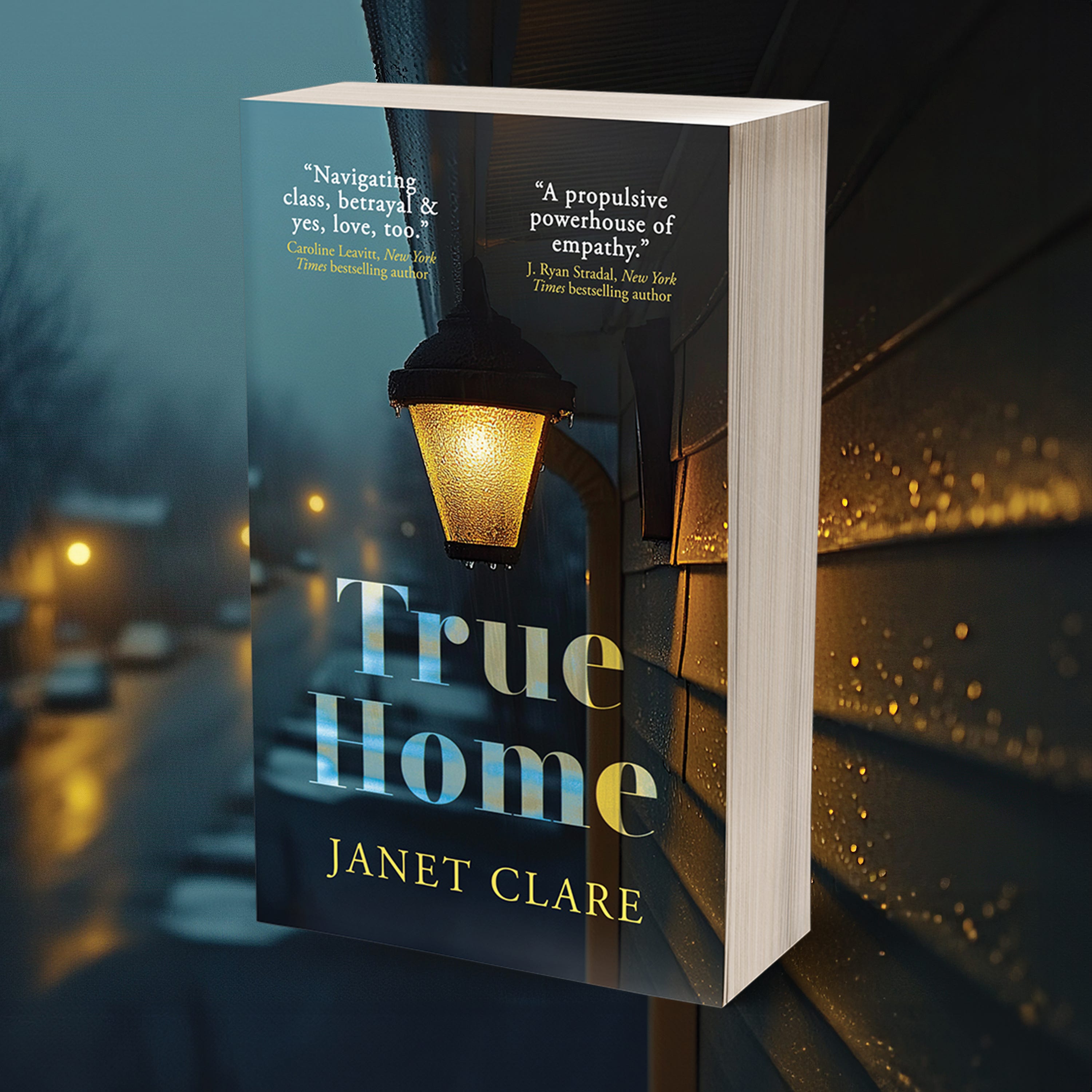
Originally from New York, Janet Clare grew up in Los Angeles, and attended UC Berkeley. She created and ran a children’s apparel business for thirteen years until escaping to write her first novel. Time Is the Longest Distance was published in 2018 by Vine Leaves Press, and her second novel, True Home, was published in 2025. She is currently completing her third novel.
 | A guest post by
|
You've done a good service to your cousin and his family with this essay, and of course also to us Oldster readers in general. Amy Bloom's book "In Love" provides her own story about her beloved husband's decision to access the program in Switzerland. My memoir, just out in April - "I Live You For Ever: Dementia in a Loving Marriage" - illuminates how bad things can get (depending on the types and mix of dementias at work). Having lived through my husband's mixed dementia (vascular, Alzheimer's, and Lewy body) in the caregiving role - I wrote to honor and educate others caught in the snare of spousal dementia.
So young. So brave. Maybe even comforting, in a strange (maybe very strange) way to know the how and when and what of the inevitability we all share. I say this as someone who’s imagined some terrible ways to go, of course. My husband’s mother made the decision to end her life (in the Netherlands) a couple years ago. She was 93 and was no longer able to speak, eat, drink. My husband even sorted out how to work around the rule that she’d have to be in a hospital for the process, by convincing them to bring the hospital bed to her home. I think about it often, how brave she was to drink that last cup of coffee, watch her last bit of news, then walk down the hallway to her bedroom for the last time. 💚 Important essay.